
For many older homeowners and residents, 55+ age-qualified communities are the perfect choice for retirees and pre-retirees alike.
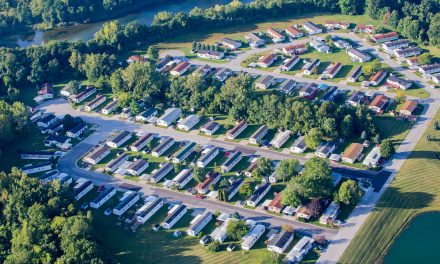
55+, age-qualified, and active-adult communities are manufactured housing communities specifically designed for older adults looking for an active, social lifestyle with the perks of affordable and low-maintenance housing.
In most 55+ communities, full-time residency is reserved for age-qualifying residents, typically ages 55 and older. However, some exceptions exist for family members, caregivers, and loved ones of age-qualifying residents in the park.
Amenities and services commonly include social and recreational activities, such as golf, swimming, pickleball, and nearby walking trails. On-site facilities often include laundry, kitchens, BBQ areas, and multipurpose event spaces. These communities are typically located within close proximity to healthcare facilities as well.
55+ communities offer the perfect blend of community, recreation, and convenience, making them an ideal choice for those seeking a rich and hassle-free retirement lifestyle.
Search from thousands of 55+ community profiles across the U.S. and Canada.





How can I find out if a community is really a 55+? I see signs stating they are but no one can tell me for sure if they are for sure. Who approves these communities to be a 55+? Many thanks Gary
Hi Gary –
Great question. It’s a murky area. This much we do know. In 1995 Congress passed the The Housing for Older Persons Act of 1995. According to the act, in order to qualify as a 55+, age-qualified community, the housing community/facility must
satisfy each of the following requirements:
a) at least 80 percent of the occupied units must be occupied by at least
one person 55 years of age or older per unit;
b) the owner or management of the housing facility/community must
publish and adhere to policies and procedures that demonstrate an
intent to provide housing for persons 55 years or older; and
c) the facility/community must comply with rules issued by the
Secretary for verification of occupancy through reliable surveys and
affidavits.
Our understanding (and we we look into this and publish an update on this to our blog), is the approval and accreditation process varies by state and must conform the steps outlined above. This quote is also instructive:
“The Department will look at the totality of the circumstances in the
investigation of a complaint alleging that the facility or community does not
qualify as housing for older persons”
We will look into this and provide more information in our blog post about this subject. Stay tuned..
My daughter will be 55 the beginning of 2022, can I buy a mobile home in a 55 senior park for her now and she live in it
Hi Marilyn, yes, in most any 55+ community we don’t believe there would be any issue with buying a home for your daughter who is less than a year from being 55 years old.
I’m 55 but my partner moved in is only 40 ,can they make me sell my place.I think it’s crazy trying to control me and tell me who and what age I can have to live with me and date.
Highly unlikely. Most 55+ communities only require that one person (lease holder) in the household be 55+ and if a partner is adult-age, then that is a non-issue. That said, check your lease. Is there anything in the lease that specifically says something about under 55 years age co-habitation partners? Always read the fine print in a lease.
Hello Peter H.,
I’m 53, and was wondering if it’s possible that I could qualify in your 55+ community?
Looking forward to hearing back from you soon.
Hi Kelly, sorry for the delayed response. It is possible to get an exception because you are only just a few years away from 55. Contact the community manager directly and ask this question. Most are happy to make the exception on a case-by-case basis.
I personally am tired of looking for senior only 55 plus living only to find it’s simply false. Individuals move into senior housing because its a great deal then the first thing they do is move in their 20 year-olds and or grandkids. Then the loud music starts, the screaming and hollering all day, the running outside in the car ports, patios etc. being loud and disrespectful. Senior housing means that and if you want your Kids and grandkids with you constantly then move into a NON-RESTRICTED housing tract. If other seniors who move to these areas wanted all that nonsense they would simply move to a cheaper apartment or a residential area filled with the noise and headaches. We live in a stick home now and are looking to sell and move to a senior only area based on these exact complaints. We have a HOA but it fails in enforcing RULES and REGULATIONS. I do not want pay MORE in monthly financial spending for leased land when it no better then being in a simple residential free for all home. We lived in a Senior only that allowed under age as stated here and it became a drug infested, high crime mobile home area. Police even refused to enter unless 3 or more. All due to lack of rule enforcements and allowed younger (20’s) to move in with Mommy and Daddy or Grand Parents. I wish these 55 + Advertised senior living institutions would really tell the truth about before individual purchase. 55 means NOTHING in reality. a 55 year old can have their name on the home , pay the rent and anyone can live there claiming family, care taker whatever. Are there any REAL SENIOR LIVING PLACES WHO REALLY CARE ABOUT SENIORS final days on earth?
Thank you for your heartfelt comment. The quality of life inside a 55+ community is directly correlated to the quality of the owner and management of the community. There are some very fine community owners and operators of 55+ communities who run a tight ship. Unfortunately, there are some bad actors who are either absentee owners or don’t care. The bottom line: do your research. Find community reviews, and if you have the ability, talk to residents who live there.
Update: In 1995 Congress passed The Housing for Older Persons Act of 1995. According to the act, in order to qualify as a 55+, age-qualified community, the housing community/facility must
satisfy each of the following requirements:
a) at least 80 percent of the occupied units must be occupied by at least
one person 55 years of age or older per unit;
b) the owner or management of the housing facility/community must
publish and adhere to policies and procedures that demonstrate an
intent to provide housing for persons 55 years or older; and
c) the facility/community must comply with rules issued by the
Secretary for verification of occupancy through reliable surveys and
affidavits.
Our understanding (and we we look into this and publish an update on this to our blog), is the approval and accreditation process varies by state and must conform the steps outlined above. This quote is also instructive:
“The Department will look at the totality of the circumstances in the
investigation of a complaint alleging that the facility or community does not
qualify as housing for older persons”
There is a community in dade city called Scotland yards my husband and I ate both over 50 but under 55 can we buy in there seeing the 80-20 rule also we have no kids and no pets.
Hello, you might just qualify. We suggest you contact the manager at Highlands at Scotland Yards and inquire.
Hi. I am looking for a home in a +55 park. However, my credir score is low. My brother wants to buy a mobile home for me to live in. I would be paying him for lot rent and he would be paying the owners of the park. Why isnt this acceptable in most parks. Why is my credit score matter if he is paying everything. He has the cash money. Can you help with this issue. Thank you
Not sure we can help. Speculating here but we think if your brother has good credit and is the titled owner of the home and is also paying the lot rent to the park (with you reimbursing him) and has signed the lease agreement with the park owner then I see no reason why you couldn’t live in the house as you see fit – as long as you meet their age requirement. That said, we recommend having a real estate attorney review the purchase agreement and lease agreement to make sure you are in compliance – there are legal aid organizations in your area that may offer free advice and review. Best of luck!
Hello my name is Luis and I love the community willow lake estates in Illinois and the site doesn’t’ say its a 55+ community. is it possible to move there being younger? I have kids but they are to themselves and don’t really talk or bother anyone. I’ve seen many of these places but it seems like they are only for 55+. I don’t like the typical mobile home parks. please help.
Thanks
Hi Luis, Willow Lakes community is an age-qualified community. Some age-qualified communities may accommodate potential residents within a few years of age 55, but most won’t allow children no matter how well behaved they are. Here is some more information on 55 communites you may find helpful: https://blog.mhbo.com/2018/12/05/what-is-a-55-age-qualified-community/
Best of luck!
I am 54 and trying to get into a 55 + community , some tell me yes some tell me no.. they have homes for sale but never for rent and the lot fees are outragious.. and I heard .whomever manages the property can raise the lot rent every year.. is there a way to sign a contract when buying a home that there is a lot rent restriction not to exceed 1000.00..(for example) or have an option to buy that piece of land with the home.its not as cheap as people think.. if your mortagage is 800 and the lot rent is 800 that 1600 a month.. how do they do that on a fixed income? and tehn on top of that there property taxes per year..
The short answer is likely “No” but not impossible. Most parks, but not all, raise the monthly lot rent on an annual basis to keep pace with inflation and with increases in other operating costs and won’t deviate from this for one-off agreements. It is possible to purchase the land underneath a home, but this option is almost always ONLY available in “Resident Owned Communities” also known as “ROC” communities and there are not a lot of these communities around. The bottom line is you need to get in writing from the community operator what the percentage annual lot rent fees increases will after a lease is signed. We hope that helps.
Hi, I am 70 yrs old raising my granddaughter who is 10. We have no relatives in U S. Would I be able to qualify for a 55 park in Punnelis Park,Largo area?
Hi Bonnie. That’s a great question. It really depends on the individual park. Some 55+ age-qualified communities have very strict policies and may be required by local ordinances not to allow kids at all. Others may be open to unique situations like yours. We will do a some research for you in the Pinellas/Largo area and get back to you at your gmail account.
Hello, my 27 year old son is living with me now but said he is moving out in a couple of months. We are currently living in an apartment but I need to find something cheaper. I am 58, I will be 59 in March. What would the cost be to move in there?
Hi Theresa, just to be clear our company, MHBO.com, does not own or operate mobile home parks. We function solely as a search service for finding an affordable place to live. Back to your question, our advice is to contact the park or community manager directly and ask how much the monthly lot rental fees are and what the fees include. For example; does the lot rent include water, power, and trash service? Are there any pass-through fees such as property tax or cable tv access? Get the monthly all-in cost and you figure it out from there. Best of luck!
Is it possible for a caregiver relative who is not 55 or older to live in the mobile home park with a 55+ Person? I’m asking about Kloshe Illahee MHP. Thank you.
The answer to this question may vary depending on the specific rules and regulations of the mobile home park in question.
In general, many 55+ mobile home parks have age restrictions on the occupants of the park, requiring that at least one occupant of the mobile home be 55 years of age or older. However, some parks may allow for a caregiver relative who is not 55 or older to live with the 55+ person if certain conditions are met.
It is recommended that you contact the mobile home park directly to inquire about their specific policies regarding caregiver relatives and age requirements. They will be able to provide you with the most accurate information and answer any questions you may have.
Hello,
I am 58 yrs old and I have a son who’s 26 yrs old with a disability who will live with me full time. Are most 55+ communities willing to accommodate for special needs adults who are younger than 55 but need to reside with a 55+ parent in southeast Michigan or most states?
Are there any laws that help caretakers under 55 buy in these types of communities for parents who are cognitively disabled?
Hi Alicia,
In our experience, there are no specific federal laws that prohibit caretakers from purchasing homes in age-qualified mobile home communities for parents or loved ones with cognitive disabilities. Similarly, there are no federal laws which provide special assistance to caretakers for purchasing homes on the behalf of qualifying residents.
With that said, there may be local programs or resources available that can provide support for caretakers in specific regions. These programs can vary by state or municipality, so it’s worth contacting relevant local agencies and advocacy groups, as well as legal services that specialize in disability issues. They may be able to provide information on available initiatives or programs that could assist caretakers in purchasing homes for age-qualifying individuals.
Hello , I am 80 years old , my wife 58 years old . We have a daughter , 34 years old . May she live with us in Regency villa mobile home ? thank you .
IS IT LIKE JAYCEES MOBILE PARK WHERE IF YOU MAKE 38,000 A YEAR FOR 2 PEOPLE YOU CANT GET IN THERE. FOR 2 PEOPLE ITS LIKE 32.000 FOR A YEAR. DO YOU DO THAT??
Im 65 an
d my two adult ages daughters 30 and 22 are disabled. They arent wild or have any wild friends let alone any. Can we live in a 55+ ?
We are transplants in Florida with no family here except us. We have no pets either.
Hi Melody,
While 55+ communities are typically designed for age-qualifying residents, there may be exceptions which could allow your daughters to live with you in the park. The Fair Housing Act requires housing providers, including 55+ communities, to make reasonable accommodations for individuals with disabilities. If your daughters have qualifying disabilities that require accommodation, as their caregiver, you may be entitled to let them live with you in the community.
The specifics may vary between jurisdictions and communities, so we would advise you to have open discussion with the management of any the parks which you are interested in and explain your situation. The specific rules and governing documents of 55+ communities will outline their policies. Some communities have provisions for allowing disabled dependents to live with a senior parent, especially if it is necessary for caregiving or other valid reasons.
Are there any homes for sale in the Seven C’s Community in American Fork?
Hi Trudy, please note that our company does not own or operate mobile home parks. Feel free to inquire directly Seven C’s: (801) 756-3996
While I find homes in the 55+ communities to be beautiful and exactly what I want. I find these communities to be very rude and restrictive. My daughter (granddaughter) and I have been looking to find a home in Florida where she can live with me. I have just turned 80 and she’s in her mid 30’s. She has always gotten along with her elders more so then anyone her own age since she was a little girl. She’s not the type of person that wouldn’t cause a nuisance and she’s excellent at abiding to any rules given. There are some communities that would allow her to live with me but, only if she does a required class in nursing. However since she will be the one purchasing the home, they won’t allow her to do so. She’s willing to put it in my name however, they’ve just been very rude towards her. I wish these types of communities would be a little more open to allow to people like her to live in communities such as these with a parent or grandparent. I wanted to voice my concern and heartache about this.
Hello Florence,
Thank you for sharing your experience with us. It’s disheartening to hear that you’re facing difficulties in finding suitable living arrangements for you and your daughter/granddaughter. We completely understand how important it is for you to find a welcoming and accommodating community where you both can reside comfortably.
Many 55+ communities have specific rules in place to maintain an intended demographic and lifestyle, and these rules can vary across different communities. We recognize that they can sometimes be restrictive, and It’s unfortunate that your daughter/granddaughter is encountering resistance, especially when she’s willing to comply with the requirements or rules set forth by the community. We feel that it is important for communities to consider individual circumstances and be open to accommodating diverse living arrangements, especially when it involves close family members.
We encourage you to continue exploring other options and communities that may be more open to your situation. Some 55+ communities may have more flexible policies or alternative arrangements that could better suit your needs. Additionally, you may want to consider reaching out to local real estate agents or housing advocacy organizations for assistance in finding a suitable living arrangement.
Your voice and concerns are valid, and we appreciate you sharing them with us. We hope that you’re able to find a welcoming and supportive community where you both can feel at home.
Also, please let us know if you find a community that meets your needs so that we can share that information with others in your situation.
Hello, I am just starting the process of buying (hopefully) in a 55+ park. I am 58, disabled, my son is 28 and my caregiver. He would also be the purchaser & main financial source. My question is: since I am the only one above 55, if I should pass, would he be made to sell and move out? And if so, how long would typically be given to do so? Thank you.
Great question Cyndi. In most 55+ communities, at least one resident must be 55 or older to meet the age requirements under the federal Housing for Older Persons Act (HOPA). If a qualifying resident were to pass away, the park’s rules would determine whether your son could stay. While some communities will allow younger occupants to remain as long as they lived there previously, others may require the home to be sold and the younger resident to move out.
In the event that a park would require him to move, the timeline will commonly be outlined in the community’s lease or rules, usually somewhere 30 to 90 days, but this can vary.
In short, it depends, which is why before purchasing, make sure to contact the park manager directly about their specific policies for situations like this. It’s important to have that in writing so you and your son know exactly what to expect.
Good luck and feel free to reach out for any more questions.
RobinEB Hi I am 67 and want to leave the snow belt for good and move to a 55+ community in Florida. My question is regarding income requirements. I live alone; I am on a fixed income and am disabled. My monthly income is only $1337.00 from Social Security. I have a small retirement savings. My plan is to sell my Ohio condo and pay cash for a manufactured home in a 55+ community where I’d only have the monthly land rental fee to pay. Can you tell me if this plan is even possible? I am afraid I’ll find a place I want to buy and be told by the property management that my monthly income disqualifies me even though I have very good credit and can afford to buy the home and pay the monthly land rental cost. I am just starting this searh although I’ve always wanted to live in Florida so if there is no way to do it, I’d rather find out now than later. Thank you.
Hi Robin, we just wanted to acknowledge your comment and let you know that we’l response in-depth to your question within the next 24-48 hours. Thanks in advance for your patience.
Hi Robin. Thank you so much for sharing your story, and for your patience. Your question is incredibly important to us and many others. The short answer is: Yes, your plan is possible, but there are a few key things to watch for.
Many 55+ land-lease communities in Florida do not have strict income requirements, especially if you’re paying cash for the home and can clearly show that you can afford the monthly lot rent, which often ranges between $400–$900, depending on the location and amenities. That said, some communities do perform credit and background checks, and may want to see that your monthly income is 3x the lot rent. In those cases, your retirement savings, credit score, and lack of debt may help demonstrate that you’re financially stable — even if your income is on the lower side.
We recommend asking each community upfront what their income or credit requirements are, as it can vary widely. You’ll also want to be ready to show proof of retirement funds and/or proceeds from your condo sale when available.
Additionally, in general, you may want to consider looking into more affordable regions of Florida, such as inland areas or smaller coastal towns. Consider reaching out to resident-owned or co-op parks as well, as they often have lower monthly costs and fewer restrictions.
You’re definitely not alone in this, but many single retirees on fixed incomes have found success with this route. With some research and patience, we believe you can absolutely make your Florida dream a reality. Please don’t hesitate to reach out with more questions as you go.
Hello,
I am wondering how often you’ve had land rental increases in the past as I am looking to retire and will be moving (every year, every 2 years, etc.) Also, I see that pets are ok. I have 2 dogs. One that weighs 20 lbs and the other 30 lbs. Would that pose a problem. I would not move without them.
Thank you for your time,
Hi Karen,
A park’s rent increase history or pet policies can vary a lot from community to community.
Many parks adjust rent annually, and the amount can depend on the park owner, local regulations and the terms stated in the lease. It’s a good idea to be up front with the park manager and ask for a record of their rent increase history.
Many 55+ parks do allow pets, but restrictions may vary regarding size, breed, and number of pets. Again, you should defer to the park manager and the park’s posted policies and rules on a case-by-case basis.
In general, the safest option for each community you consider is to contact park management directly for clarification.
We hope this helps you on your search. Best of luck with your retirement move!
Our park is 55 plus, but we have several that under this limit. I understand the 80\20, however is there a way to get verification and hold the owner responsible for being over that limiy?
Hi Jane, thanks for your question.
Yes, in 55+ communities, the “80/20 rule” under the Housing for Older Persons Act (HOPA) applies. Communities are therefore expected to keep reliable surveys or affidavits on file to prove compliance, so if you want verification, you can request this documentation from ownership or management.
If you’re a resident and feel your community isn’t meeting the 80/20 requirement, you can also contact HUD’s Office of Fair Housing and Equal Opportunity or your state’s fair housing agency. If you’re an owner or manager, keeping thorough age-verification records is the key way to stay in compliance.
I’m 65 and have a special needs son he is 29 He will be moving with me.
Hey Loretta,
In a 55+ age-qualified community, the federal rule is that at least one resident in 80% of the occupied homes must be 55 or older. That means you would likely qualify.
Most 55+ communities allow younger adults, such as spouses, children, or caregivers to live in the home even if they are under 55. Rules vary by community, but having your 29-year-old son live with you is typically permitted as long as you are the qualifying resident.
That said, each community sets its own policies, so it’s important to confirm directly with the park manager before moving in.