
Question:
“I’ve been noticing pass-through fees on my rent statement every month, but I’m not sure what they are for. What are these fees, and are there any limits on how much they can add?”
– Henry L. (44), Gainesville, FL
Answer:
Essentially, pass-through fees are additional charges that park owners “pass” on to tenants, typically to cover the cost of improvements or upgrades to park utilities, infrastructure, or services. They may also be used to cover tax increases or other costs that the park owner has incurred.
While park owners do have the right to impose pass-through fees, they are generally required to follow certain guidelines. First, these fees must be clearly outlined in your lease or rental agreement, and residents should be informed ahead of time about any changes in costs. Additionally, the fees must be justifiable and directly related to the costs the park owner has incurred.
It’s important to check your state’s laws regarding pass-through fees. Some states have limits on how much park owners can charge in pass-through fees or require a cap on how long they can charge them. If you feel that the fees are excessive or not properly documented, you can reach out to your jurisdiction’s office of the Department of Housing and Urban Development (HUD) as well as other local housing authorities to review your case.
If needed, legal counsel experienced in landlord-tenant law can help you better understand your rights and whether the pass-through fees are being applied fairly.
Overview:
- Pass-through fees are additional charges to cover costs like infrastructure upgrades or increased property taxes.
- These fees must be clearly outlined in the lease and justified by the actual costs incurred by the park owner.
- State laws may limit the amount or duration of pass-through fees, and residents may seek help from regulatory bodies or legal counsel if needed.


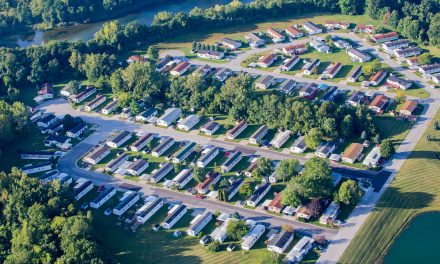



Looking at a double wide in Antonelli park in Santa Cruz, ca. wondering if there are property taxes, if so are they incorporated in the rent payments?
Thank You
In some California mobile home parks, you may have to pay property taxes on the home itself, whereas in other parks the landowner pays the property taxes but passes a portion of those taxes on to tenants through what are called “pass-through fees.” . These fees may or may not be included in your rent.
It’s best to ask the park manager for a full breakdown of monthly charges so there are no surprises. Good luck — Antonelli is a lovely spot!